351m2
Modular construction provides an effective answer to time, flexibility and sustainability challenges. At Degotte, it is part of a comprehensive project approach designed to adapt to real uses and the constraints of each context.
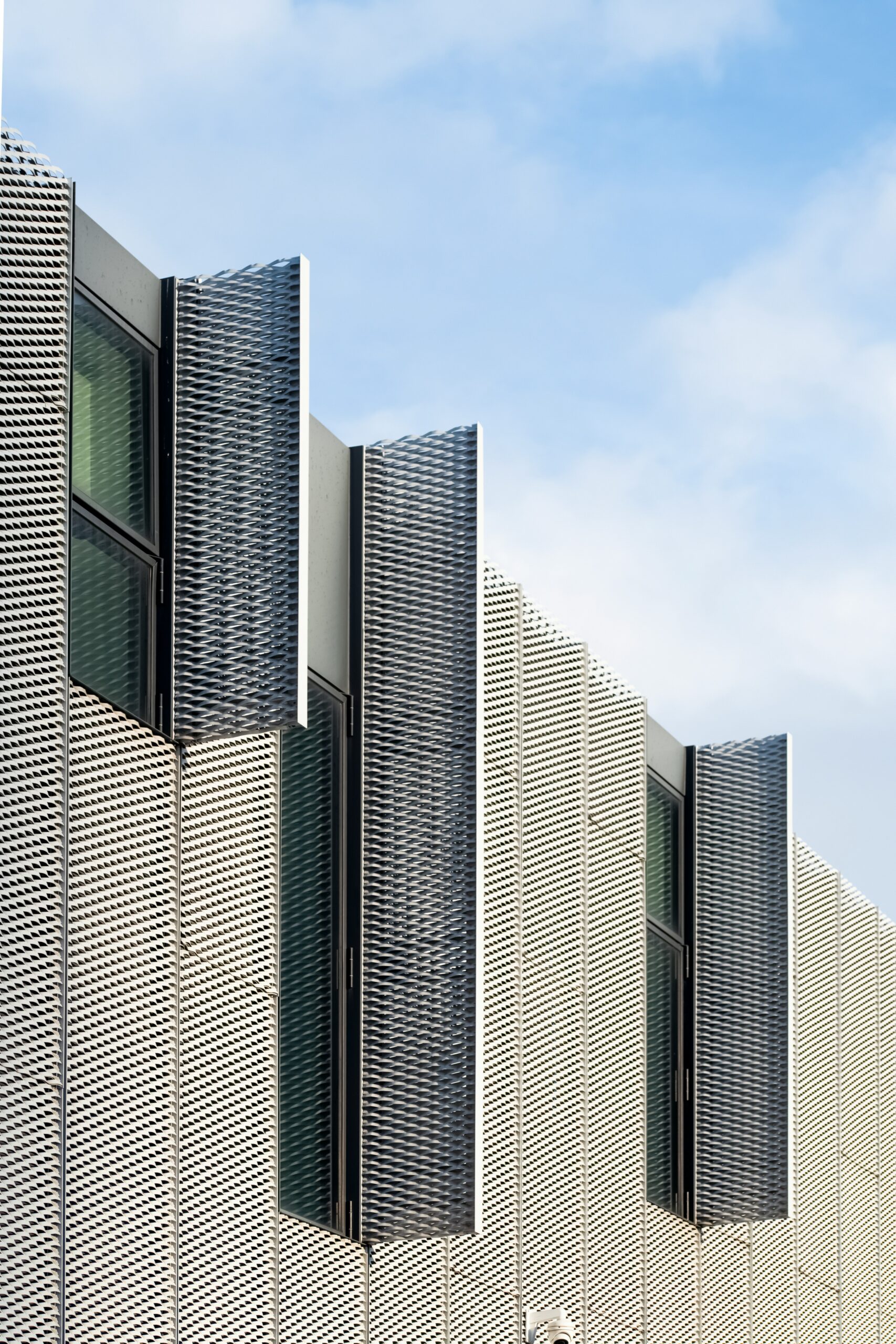

Modular construction is based on assembling modules designed and manufactured in the factory, then installed on site. This method optimises lead times, guarantees consistent quality and ensures better management of the project as a whole.
Modular construction offers practical answers to today’s challenges.
It combines optimised lead times, execution quality and long-term performance.
Manufacturing modules in parallel with site preparation significantly reduces construction time and helps secure project timelines.
Solutions capable of evolving according to needs and adapting to uses and constraints.
Factory production guarantees precision, consistency and reliable, repeatable quality.
Better resource and waste management limits the project’s overall impact.
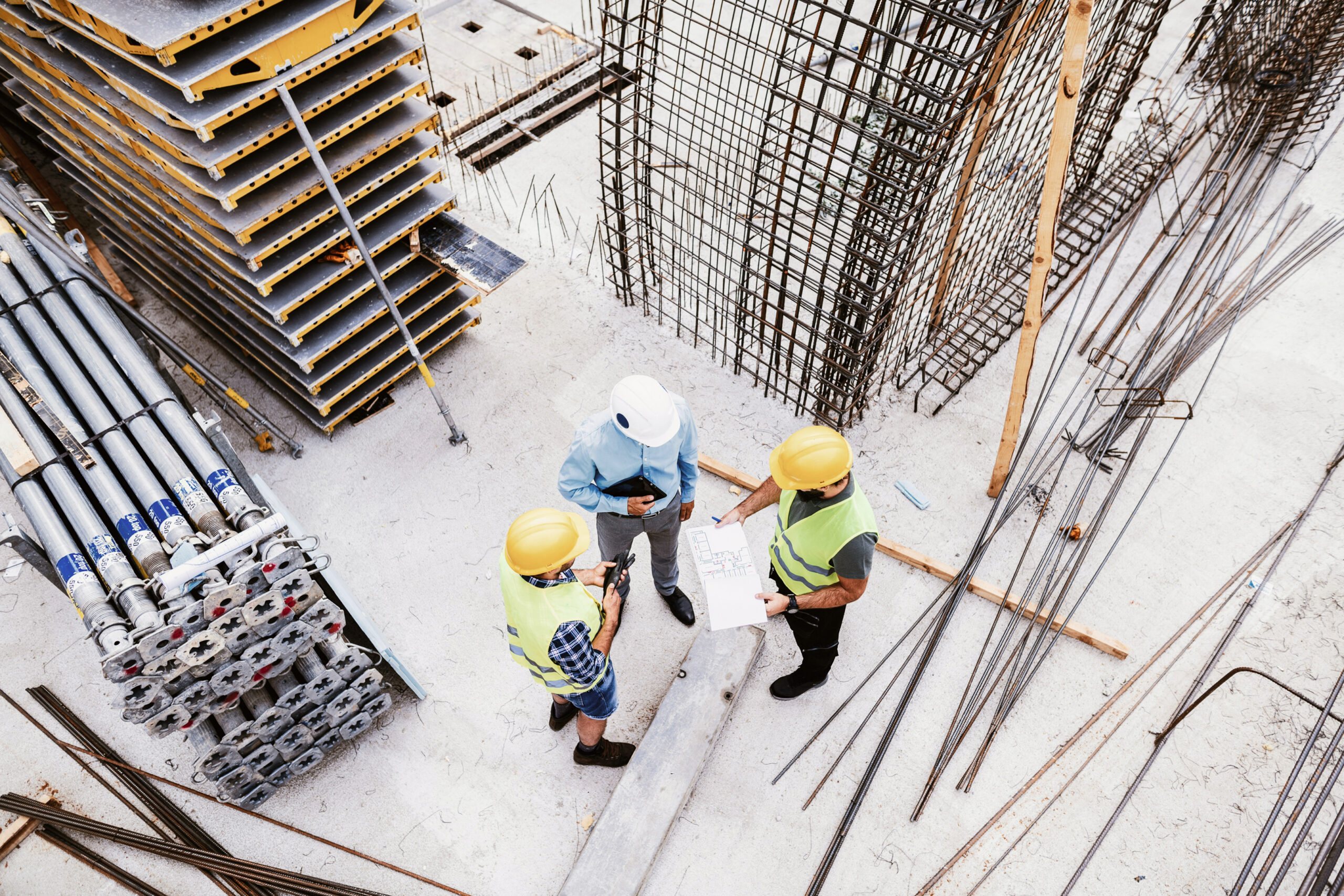
Each project is supported through a clear methodology, allowing progress step by step.
This organisation ensures better coordination, easier decision-making and clear oversight of the entire project.
Modular construction makes it possible to respond to a wide range of needs.
Our solutions adapt to uses, constraints and the specific nature of each temporary or permanent project.
Solutions tailored to institutional projects, with demanding quality and compliance requirements.
Scalable spaces designed to support evolving educational needs.
Functional environments meeting sector-specific requirements.
High-performance workspaces adapted to professional uses.
Structures suited to occasional or particular needs.